The best part about this diet – it is not actually a diet. The Mediterranean Diet is an eating pattern that is used to promote more heart healthy foods. The basis of the pattern came from the traditional diet of the residents of mediterranean countries such as Italy, Spain, Portugal and Greece. Through this pattern, we want to start to think about our habits and traditions surrounding foods and how we can design our plate to support the heart to do its job more efficiently. Small changes to your current diet can help promote a more heart healthy way of eating.
Eat more plant based foods. This means incorporating more fruits, vegetables, legumes, and whole grains.
Add heart healthy fats. To help the heart function better, we want to decrease the amount of saturated and trans fats we consume. Try adding in more unsaturated fat sources such as olive oil, nuts, avocados, and fatty fish (such as salmon and mackerel). Think of butter as a “sometimes” food rather than a daily food.
Embrace herbs and spices. Food tastes only as good as it is prepared. Keep the salt shaker in the cabinet and experiment with other herbs and spices. You could even start a small herb garden right in your windowsill for fresh herbs to use as needed.
Limit red meat to no more than 3 times per month. Red meat makes it harder for your heart to function the way it would like to. Decreasing this meat source means decreasing cholesterol and decreasing the fats that cause build up in your arteries- a win-win.
Incorporate more fish and poultry. These proteins are not only going to help you feel full, but they also contain less saturated fats than red meat does. The omega-3’s found in salmon have been found to naturally reduce inflammation.
Enjoy meals with loved ones. The Western diet culture promotes a fast paced way of eating. Try getting back to your roots by sitting down to a homemade dinner with family. Cooking and eating together is a great way to share recipes and appreciate the company of those around you. Try alternating cooking duties so that different individuals can contribute to the process.
Include healthy movement. Find a form of movement that you truly enjoy. The gym may not pull your interest – and that is okay. Begin to explore different activities and see what works for you. Exploring local hiking trails, taking a walk with a friend, or even searching YouTube for a workout you can do from your living room are great ways to get your body moving.
Keep in mind that any changes to regular meal patterns take time. When starting out, try choosing just one these changes per week to begin implementing, and allow yourself the time to comfortably adjust.
Blog
February Harvest: Brussels Sprouts
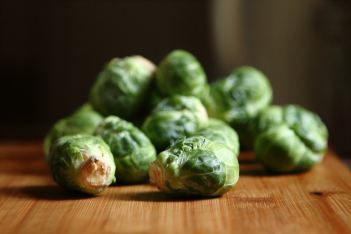 Brussels sprouts are a member of the same family as kale, cauliflower and mustard greens. They are a cruciferous vegetable and closely resemble a mini cabbage. Along with their yummy taste, these little guys provide a ton of health benefits.
Each 1/2 cup serving of cooked Brussels sprouts provides 28 calories, 2 grams of protein, and 2 grams of fiber. Their high fiber content helps to support regularity, gastrointestinal health and has also been associated with improved heart health and blood sugar control. Brussels sprouts are also high in vitamin K – which aids in blood clotting (talk to your dietitian if you are on a blood thinner). The vitamin C is an antioxidant that can help boost immune function and tissue repair.
Brussels sprouts are also very versatile – enjoy them roasted, boiled, sautéed or baked.
Tangy Glazed Brussels Sprouts
Ingredients
- 3 tbsp olive oil
- 1/4 tsp crushed red pepper
- 1 pound trimmed and halved Brussels sprouts
- 1/4 cup pomegranate juice
- 3 tbsp white balsamic vinegar
- 1/4 cup crumbled goat cheese
- 3 tbsp chopped pecans toasted
Instructions
-
Heat olive oil and crushed red pepper in a large skillet over medium-high. Add trimmed and halved Brussels sprouts, cut sides down. Cook until browned, about 7 minutes.
-
Add pomegranate juice and white balsamic vinegar. Cook, tossing often, until sauce thickens, about 5 to 6 minutes.
-
Top with crumbled goat cheese and chopped toasted pecans.
January Harvest: Leeks
 Leeks are a member of the same lily family as onions but are a slightly sweeter and not as overwhelming in recipes. European chefs actually call leeks “poor man’s asparagus,” as the leek is a distant relative of asparagus. Don’t be fooled by this dismissive description – the leek actually has many positive health benefits you do not want to miss out on! Leeks are a great source of vitamin A, C, and folate, which translate to vision, immunity, and cell regeneration. They can be enjoyed raw or cooked and incorporated into salads, soups and many other favorite dishes in place of (or in addition to) onions.
Select leeks with as much light green and white coloring as possible that are crisp and firm. Do not choose leeks that are withered or have any yellow discoloration present. Wash them well and remove any roots and hard green leaves before preparing. Horizontally slice the leek from above the root to the green end and submerge in a bowl of cold water to remove debris. Alternatively, feel free to slice into thin strips and clean the same way.
Pro Tip: Store leeks in the refrigerator for a maximum of two weeks in tightly wrapped containers to prevent the spread of aromas from the leeks. You can also freeze your leeks in airtight bags for up to three months. Do not thaw leeks before preparing to enjoy maximum flavor!
5 Tips to Feel Good About food During the Holidays
Happy Holidays everyone – we hope you’re enjoying your time spent with family and friends! Along with the celebrations of the holidays come the decadent and delicious foods we often steer clear of during the non-holiday months. With these stigmas, it can be difficult to enter the holiday season with a positive mindset. Frequently, we immerse ourselves with guilt or throw in the towel completely for our health and weight loss goals. It’s important to remember that the holiday season is a time for celebration – not guilt. With so many tasty foods available during the holiday season, it can be beneficial to go into this time of year with a strategy. Here are a few tips to help with adopting a healthy holiday mindset:
#1: Try to think of holiday food indulgences as treats, not cheats. Simply changing this label and removing the stigma associated with certain foods can remove the guilt. With guilt pushed aside you will likely be able to have and ENJOY that slice of nana’s pecan pie without the urge to binge.
#2: Go to holiday parties with a controlled appetite. Many of us rationalize that if we skip meals before parties and big dinners we will save calories. This can lead to uncontrolled hunger, promote binge-eating behaviors and lead to overeating. The overeating behavior leads to more stress and guilt instead of enjoyment of the food and company you came for! Instead of skipping meals, eat your normal breakfast, lunch and maybe a protein-containing snack before you leave. This will keep your hunger in check and allow you to make more appropriate choices.

#3: Be mindful while enjoying your favorite holiday foods. Instead of loading up your plate, be selective of the items that you have been looking forward to most and use reasonable portions with your selections. Another trick is to take a lap around the buffet first. Take survey of the items offered and make a plan in your head to include what foods you’d like to try. Take smaller portions of the starchy foods like macaroni and cheese, take a moderate portion of the protein such as turkey and load up on non-starchy vegetables.
#4: Practice Mindful Eating. Instead of shoveling in food until you’re stuffed, slow down while you’re eating and allow your body to appreciate the different flavors and textures of the foods your consuming. We are no longer members of the “clean your plate” club. Practice the mentality of eating when you’re hungry and stoping when you’re full.
#5: Keep your hands full. Sitting next to the appetizers can make it easy to mindlessly graze. Try moving your your conversation to another room, away from the food. It may also help to keep a glass of water or sparkling water in your hands to keep them occupied!
December Harvest: Cranberries

Did you know that cranberries are native to the United States and were used to treat diseases such as scurvy and blood disorders by early English settlers ? Aside from the tart yet sweet flavor of cranberries that many of us associate with Thanksgiving and holiday meals, these little red fruits can actually work to improve your health!
Cranberries are rich in antioxidants like vitamins C and E, which our bodies use to combat damaging free radicals and also boost immune function. Vitamin C also acts to improve absorption of the mineral iron. Cranberries have high amounts of antioxidant proanthocyanidins (PAC’s) that are the reason this fruit can be used to help prevent urinary tract infections. The PAC’s in cranberries help to inhibit the adherence of bacteria to the urinary tract. This benefit may also extend to dental health, as the same antioxidant has been shown to prevent bacteria from binding to teeth! Positive effects of cranberries include gastrointestinal function support, as they are a rich source of fiber. Benefits may extend to the prevention of tumor growth and heart disease, which are areas of continued research. Who would have thought that such a small berry found in bogs and making up just 25 calories in half a cup could pack such a large punch? It is no wonder cranberries are considered a super food.
Also, when choosing cranberry products, be weary of added sugars. Juices are often mixed and contain added sweeteners. A good strategy to start is to look for labels that list cranberries as the first ingredient.
Pro Tip: Although cranberries are harvested during fall, they can be refrigerated for 2 months or stored frozen to be enjoyed later. When selecting fresh berries at the grocery store, make sure to choose only those that are firm and unwrinkled!
Cranberry Rice Salad
** Adapted from Food Network
Ingredients
- 1 cup brown basmati rice
- 1 1/4 cup water
- 1 tbsp olive oil
- 1 tsp curry powder
- 1 tsp kosher salt
- 1/4 cup golden raisins
- 1/4 cup almonds chopped
For Cranberry Relish
- 4 cups cranberries
- 1/4 cup sugar
- 2/3 cup celery diced
- 2/3 cup apple
- 2/3 cup parsley chopped
Instructions
-
First, to make cranberry relish, pulse cranberries and sugar in a food processor until chopped. Then toss with diced celery, apple, and chopped parsley.
-
Bring basmati rice, water, olive oil, curry powder and kosher salt to a simmer on the stovetop (low heat). Cover and cook rice until tender (approx. 17 minutes) then fluff with a fork.
-
Allow rice to cool then stir in cranberry relish and golden raisins and chopped almonds.
Our Favorite Cold Weather Soups
 The weather is getting colder and the days are getting shorter. If you are like us we love a good bowl of soup after a long day but store bought soups can be sodium heavy and filled with a lot of additives and sometimes unrecognizable ingredients.
We love these homemade soup recipes because we can control what goes in and as an added bonus, these are all crockpot recipes! So gather your ingredients the night before, add them to the crockpot in the morning and come home to a hot a ready meal that filled with nutrients and will make you feel all warm and cozy.
Wondering what to look for in a soup? Below are our tips for picking out the perfect recipe.
- Broth-based – every once in a while a cream based soup can be delicious, but for every day soups look for a broth base. These are lower in saturated fat and calories. Try replacing cream for low-sodium vegetable broth in your favorite soup.
- Lots of veggies – look for at least 3 of different colors
- A protein source – This doesn’t have to be animal protein – beans and legumes are great sources of plant based protein! Whether it be beef, chicken, beans or tofu, a protein source will help keep you full and satisfied.
- Low-salt – Soups are notorious for having high levels of sodium. When using canned ingredients look for a low-sodium version whenever possible. We also love these salt-free seasonings from Mrs. Dash.
Spinach, Quinoa and Cannellini Bean Slow Cooker Soup
Ingredients
- 1 ea yellow onion diced
- 2 ea carrots chopped
- 2 ea celery stalks chopped
- 3 ea cloves garlic
- 7-8 cups low sodium vegetable broth
- 1/2 cup uncooked quinoa
- 2 15oz cans low-sodium cannelloni beans drained
- 1 bag baby spinach large
- 2 tsp salt-free Italian seasoning
Instructions
-
Place all ingredients other than spinach in a 6 quart slow cooker and place on low for 6-8 hours. Right before ready to serve, add spinach and stir until spinach is wilted.
Fall Veggie Slow Cooker Soup
Ingredients
- 2 ea carrots chopped
- 1 ea parsnip chopped
- 1 cup butternut squash cubed
- 4 cups low-sodium vegetable stock
- 1 15oz can diced tomato
- 1 15oz can cannellini beans
- 1 bunch kale torn
- 1 cup water
- salt free seasoning to taste
Instructions
-
Combine all ingredients except for kale in a 6 quart slow cooker. Place on low for 6-8 hours. Add kale and allow to wilt prior to serving.
Slow Cooker Minestrone Soup
Ingredients
- 2 15 oz cans low-sodium diced tomatoes
- 2 tbsp tomato paste
- 1 15 oz can red kidney beans
- 1 15 oz can cannellini beans
- 4 cups low-sodium chicken stock
- 1 cup water
- 1 ea carrot diced
- 1 ea celery stalk diced
- 1 ea large white onion diced
- 5 ea garlic cloves minced
- 1 ea bay leaf
- 1 tbsp salt-free Italian seasoning
- 1 1/2 cups ditalini pasta
- 2 cups spinach
Instructions
-
Add all ingredients other than pasta and spinach into slow cooker, cook on low for 6-8 hours. Change heat to high, add pasta and cook for additional 20 minutes, add spinach and stir until spinach wilts. Remove bay leaf prior to serving.
Written by: Michelle Switach – Dietetic Intern
What is Intermittent Fasting?

What is it? Intermittent fasting (IF) is a popular weight loss approach in which we refrain from food or drink for a specific amount of time, or limiting days of the week to fast. The idea of intermittent fasting comes from the Paleolithic period, during the hunter-and gatherer times when food was not always readily available. Variations of the diet have been around for ages but in the last 5-10 years it has been popularized primarily for its weight loss functions. Some believe it is a good way to not only lose weight but also reduce the risk for heart disease and diabetes. It is also said that fasting may improve cognitive function and increase muscle mass.
There are number of ways to practice intermittent fasting but the most popular are as follows:
24 hours: Eating 2-3 times per week normally followed by a full 24 hour fast in which the only items allowed is water, black coffee and tea.
Calorie Restricted days: follow a normal healthy diet for 5 days of the week, 2 non-consecutive days of eating 300-600 calories per day.
Time Restricted daily: abstain from food or drink for 16 hours and allow an 8 hour eating window. These windows are flexible and can be worked around that works best for each person.
There is some evidence that combining intermittent fasting with a healthy diet and lifestyle can be an effective approach to weight loss for those with no underlying conditions. IF may reduce or eliminate nighttime eating which can also promote weight loss. Many believe however that the diet works because participants are eating less than they normally would. A major part of effectively utilizing IF is to avoid refined grains, and sugar; instead eating fruits, vegetables, legumes, whole grains, and lean proteins. This idea following a healthful diet is the common recommendation from dietitians across the globe, regardless of the eating pattern.
Despite some evidence promoting intermittent fasting, many dietitians are skeptical on recommending the dietary pattern as a weight loss tool. It is not recommended for those who are pregnant, have diabetes or who has other health conditions, especially those on medications. Also, following a diet with restricted time frames can be difficult to follow. It could promote the “starve and binge” concept to weight loss which has been proven to be harmful. Hormonal imbalances have also been reported in women who follow IF.
If interested in intermittent fasting, please contact your dietitian and discuss options that could best suit you.
Written by: Michelle Switach – Dietetic Intern
November Harvest: Butternut Squash

Named for its nutty sweetness and buttery smoothness, butternut squash is a hearty, healthy vegetable that can be incorporated into your favorite fall dishes. Although technically part of the winter squash family, it is not too early to cook up this delectable gourd! It can be baked, roasted or mashed and flavored with a variety of seasonings such as coriander, cumin or cayenne pepper. You can also use it as a substitute for pumpkin in any recipe. We love to puree it into warm and delicious soups!
Butternut squash is an excellent source of fiber, potassium, and magnesium, as well as vitamins A and C. It is therefore beneficial to digestion, immune function, heart and eye health maintenance, among other body processes.
Pro tip: When selecting your squash, you should choose one that feels heavy for its size. Also remember to store your squash in a cool, low-light location for one month maximum and refrigerate it once cut.

Butternut Squash Mac and Cheese
Course:
Main Course, Side Dish
Keyword:
butternutsquash, fallrecipes, Pasta, vegetables
Ingredients
- 1 tbsp avocado oil
- 1 small yellow onion diced
- 4 cloves garlic minced
- 1/2 tsp thyme dry
- 1 cup vegetable broth
- 1 medium butternut squash cubed
- 1 tbsp butter salted
- 1 1/2 tsp salt
- 1/4 cup fresh parmesan
- 1 lb penne pasta
Instructions
-
Heat avocado oil in a sauce pan. Add onion and sauté until soft. Add garlic and thyme. Cook 30 seconds.
-
Add vegetable broth to the mixture and bring to a boil. Add butternut squash and bring to a boil. Cook 15 minutes or until it becomes soft.
-
Meanwhile, cook pasta in a separate pot according to package directions.
-
Once butternut squash is soft, add mixture to a blender or food processor. Blend until smooth. Add butter, salt, parmesan and blend.
-
Pour squash mixture over cooked pasta and serve.

Butternut Squash and Apple Harvest Soup
Ingredients
- 2 tbsp olive oil
- 2 parsnips large
- 1 onion chopped
- 1 ea butternut squash peeled and chopped
- 1 sweet potato peeled and cubed
- 1 cup carrots diced
- 1 Granny Smith Apple peeled, cored and sliced 1/4 inch thick
- 1 quart chicken stock
- 1/2 cup light cream
- 1/4 tsp ground nutmeg
- salt and pepper to taste
Instructions
-
1. Heat olive oil in a large pot over medium heat. Stir in parsnips and onions, and cook until the onion softens and turns translucent, about 5 minutes. Add potato, squash, carrots, apple and chicken stock. Bring to a boil, then reduce heat to medium-low, cover, and simmer until the vegetables are soft, about 20 minutes.
2. Carefully puree the soup in a blender, or use a stick blender to puree the soup right in the pot. Once the soup has been pureed, return it to the pot and stir in cream. Season with nutmeg, salt and pepper, simmer gently for 5 minutes.
Top 5 Favorite Fall Fruits and Vegetables

Fall is one of our favorite times of year for produce! Farm stands often stay open through the end of October and showcase crates of beautifully colored squashes, apples, and root vegetables. Below are our favorites, why we love them, and our favorite ways to prepare them!
#1: Apples

Why we love them: Apples are probably one of the most well known fruits and it’s no wonder! They’re high in fiber, which aid in satiety and gastrointestinal mobility. They also contain vitamin C and antioxidants, which are what help keep the doctor away!
How to use: Sauté with cinnamon and sugar and put on top of yogurt, mix into baked oatmeal, homemade applesauce, or add to soups. Try our recipe for Apple Quinoa Breakfast Cereal!
#2: Butternut Squash
Why we love them: One of the many squashes available in the fall and winter months. Butternut squash is high in vitamin A, vitamin C, antioxidants, potassium and magnesium. Their beautiful color means it’s high in beta-carotene. They are a great vegetable replacement for grains at meal times!
How to use: Cut into cubes and roast in the oven. We love pureeing into a soup. We couldn’t say no to seconds of this butternut squash mac and cheese recipe though.
#3 : Pumpkin
 Why we love them: Pumpkin spice lattes aside – pumpkin is a nutritious and delicious addition to any meal in the fall. Their orange color signifies beta-carotene, which our bodies turn into vitamin A. It’s vitamin A, C, E, iron and folate content can strengthen our immune systems.
How to use: Roast the seeds for a fiber filled snack, use pumpkin puree in breads or muffins, or roast and blend into a soup. We made this delicious whole wheat pumpkin bread – perfect for Sunday Night Football Treats!
#4: Acorn Squash
Why we love them: Another winter squash favorite. Acorn squash can have a green, tan, yellow or orange outer layer of skin and are orange yellow inside. They are considered a starchy vegetable as they are higher in carbohydrates and fiber. It is also a good source of vitamins A, C, B6, manganese, potassium and thiamin. Acorn squash can stay fresh for up to 3 months!
How to use: Cut in half and stuff with quinoa and roasted veggies like this recipe, cut into slices and roast in the oven, or puree into a soup.
#5: Kale

Why we love it: Kale is so nutrient dense – it’s considered a superfood! Like the other vegetables listed – kale is high in antioxidants which can help with immune health and cancer prevention. Kale is high in vitamin K which is critical for blood clotting. It is also a good plant-based source of calcium, magnesium and potassium.
How to use: Roast in the oven and make “chips”, use as the base of a salad, add to soups, or mix into a smoothie.
October Harvest: Parnsip

Here comes fall, and with it tasty fall and winter vegetables, like the parsnip! Parsnips are a tasty treat alone and can also provide natural sweetness to dishes. Parsnips are relatives of the carrot, ranging from a pale yellow to off-white hue. It is no coincidence that many dishes include both carrots and parsnips, as they do complement each other nicely.
Parsnips are rich in vitamins C and K which are both vital to healing processes. They also contain potassium for heart and muscle health, folic acid for cell generation, and fiber to aid in smooth digestion.
Like other root vegetables, when choosing your parsnips, make sure that you pick those that are firm and crisp. Avoid parsnips with moist spots and many hair-like rootlets. Store parsnips in your refrigerator crisper up to 2 weeks or on the counter top 1-2 days if you plan to prepare them sooner. Remove green tops if still attached prior to storage, as they will draw in moisture.
Pro tip: Larger parsnips tend to have a tough core and are over-mature. They are most tender at about 8 inches in length and can reach 20 inches!
Parsnips can be a healthy snack choice with hummus, roasted with carrots, mixed into a salad as a side, or the perfect addition to a mixed dish such as stew or shepherd’s pie.
Here is a recipe that incorporates parsnips and will warm you up just as that cold weather rolls in!
Roasted Parsnip Soup
Ingredients
- 2 pounds parsnips peeled and cut into 1/2 in pieces
- 1/4 cup olive oil divided
- 1 1/2 tsp salt
- 1 tsp pepper
- 1/2 ea garlic clove
- 1 medium onion
- 1 stalk celery
- 1 ea bay leaf
- 1 1/2 quart low sodium vegetable broth
Instructions
-
Heat the oven to 350 degrees F. Toss the parsnips, 2 tablespoons olive oil, 1/2 teaspoon salt, and 1/2 teaspoon pepper together and place in a single layer in a baking pan. Roast the parsnips about 60 minutes. Rotate 1-2 times. Trim away any burned areas and set aside.
-
Heat the remaining olive oil in a large pot over medium-high heat. Add the onion, celery, garlic, 1 teaspoon salt, and 1/8 teaspoon pepper and cook until translucent and softened. Stir in the parsnips, bay leaf, and broth and bring to a boil. Reduce the heat to medium low, partially cover the pot and simmer about 30 minutes. Remove the bay leaf.
-
Puree the mixture in a blender or with an immersion blender until smooth. If using a blender, return the soup to the pot. Heat the soup over low heat and stir occasionally until warmed through.